
ITPOD and vStack launch a ready‑to‑use joint solution to replace VMware
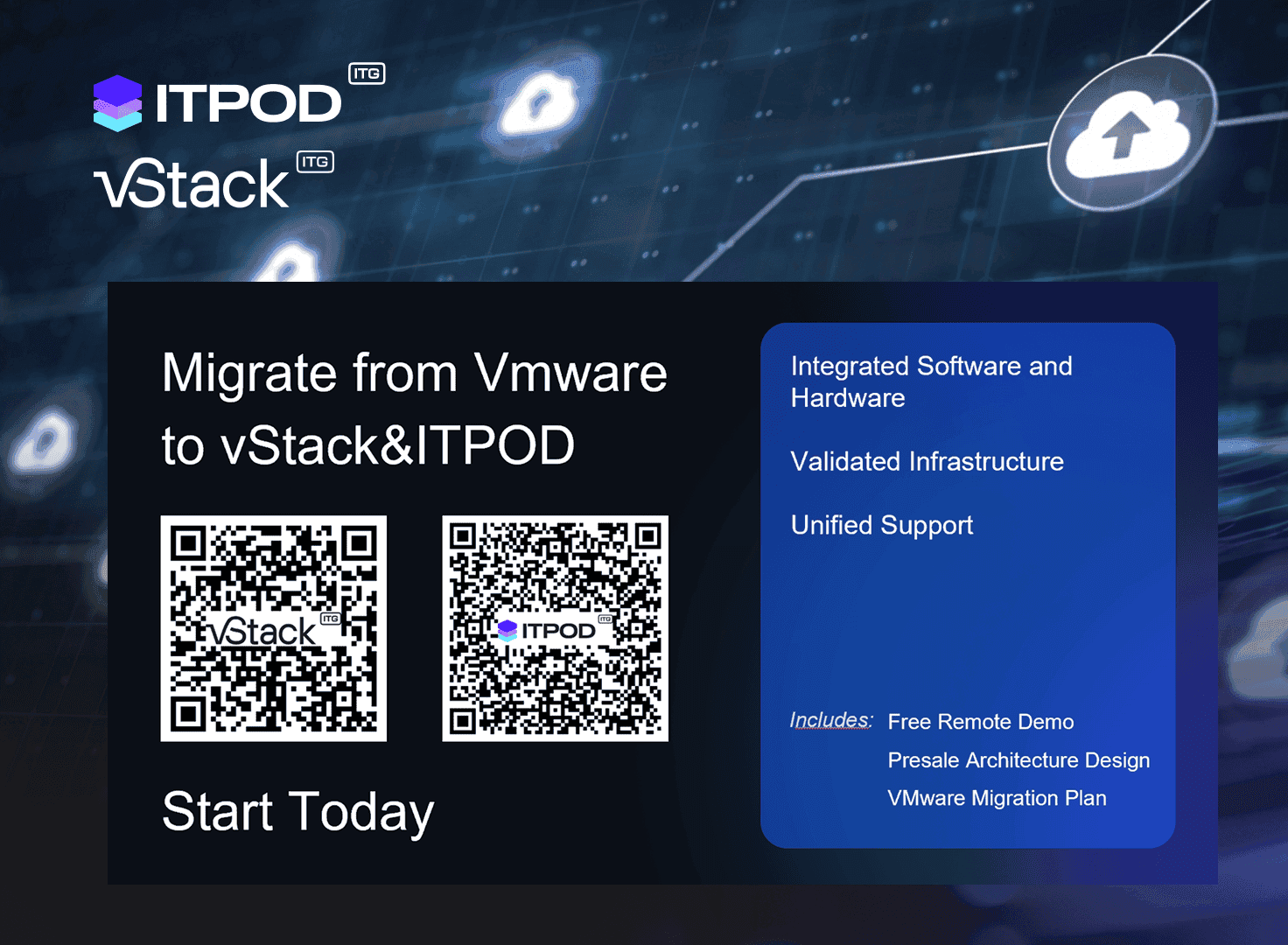
The solution provides a ready‑to‑use cloud environment for service providers with billing and a global partner network.
The virtualization market is changing rapidly. VMware’s sweeping licensing model changes have forced IT directors to urgently look for alternatives. Infrastructure companies ITPOD and vStack have responded with a jointly developed solution that replicates the full functionality of leading Western cloud ecosystems without vendor lock‑in and without runaway subscription cost growth.
One SKU - the complete stack
The concept is simple. The customer purchases ITPOD server hardware, vStack virtualization software, and the Cloud panel as a single pre‑validated turnkey package. No “integration tax,” no finger‑pointing between the hardware vendor and the software developer, no weeks‑long deployment. The platform comes ready to launch a self‑service portal, through which end users can create virtual machines in minutes via a graphical interface.
Key feature: built‑in billing - not a secondary add‑on. The platform natively tracks resource consumption, giving operators precise information about who is using what and at what price. In competing solutions, this capability typically requires a separate third‑party tool.
Migration advantages
The ITPOD‑vStack platform offers a compelling path for teams that need to move away from VMware without re‑architecting their infrastructure. The combination of proven hardware, embedded billing, a self‑service portal, and a cross‑border partner ecosystem covers the functionality that enterprises and service providers actually need and it is delivered as a single integrated whole, not assembled from disparate parts.
For organizations still assessing their risk under VMware’s new pricing model, a pilot deployment is a logical next step to calculate real‑world ROI.
One platform - two business models
The joint solution is designed to serve two distinct business scenarios simultaneously.
- Internal chargeback for enterprises - large organizations can allocate separate IT budgets to business units, creating internal competition for resources. The resulting system delivers measurable effect: units consume exactly what they need, and total infrastructure costs decrease. Finance departments get the granular reporting they have always demanded but rarely received from on‑premise environments.
- External cloud services for providers - managed service providers and hosting companies can deploy a commercial cloud platform and start accepting direct payments from customers including credit card payments through the portal itself without building their own billing infrastructure from scratch. Time to revenue shrinks from months to weeks.
Coexistence, not a ‘cold’ migration
One of the key advantages of the vStack platform is the ability to run native clusters and VMware Cloud environments side‑by‑side within a single management console. For enterprises that have run workloads on VMware for years, this coexistence model is critical. Engineering teams can migrate infrastructure on their own schedule, not in crisis mode, ensuring service continuity and reducing the risk of costly downtime.
Market context
VMware’s transition to a new licensing model (moving away from consumption‑based) under Broadcom has significantly increased costs for a wide segment of the enterprise market. Analysts tracking the fallout note that mid‑sized operators have been hit hardest too large to absorb the hike silently, but too small to negotiate custom terms. The ITPOD‑vStack solution is designed primarily for this category.
Beyond cost control, the platform opens a strategic dimension that ordinary hyperconverged appliances lack. Through an international partner network spanning data centers in the Middle East, Europe, and the Americas, customers can lease external computing capacity and resell it to their end users, earning margin without capital expenditure on new physical sites. For providers operating in geopolitically complex regions, the ability to diversify infrastructure geography across different jurisdictions becomes a meaningful risk‑reduction lever.
Unified support covering both hardware and software layers further reduces operational risks. In traditional multi‑vendor deployments, support requests regularly stall at the boundary between the hardware owner and the software owner. A single support chain eliminates that conflict.